
How to Use a Circular Saw Safely: A Beginner Guide
Guard, blade depth, support, kickback and grip, step by step.
Quick answer
Before every cut, check that the lower guard closes freely, set the blade so less than a full tooth shows below the workpiece, and support the work so it cannot pinch the blade (Bosch manual). Never hold the work in your hands or across your leg. Disconnect the saw, by removing the battery or unplugging it, before you change a blade (OSHA 3080). Follow your own saw's manual.
Jump to section
Check the guard
Start with the guard, because it is the one part standing between your hands and the blade. OSHA says portable circular saws with blades over 2 in must have guards at all times, and that the lower guard must automatically return to cover the blade when the saw is withdrawn from the work (OSHA 3080).
Check it before each use. Bosch's manual says to check that the lower guard closes properly, and not to use the saw if the guard does not move freely and cover the blade instantly (Bosch manual). Take the battery out or unplug the saw first, then open the guard by hand and let it go. It should snap shut.
This guide uses standard circular saw warnings from OSHA and a Bosch manual. Your saw's own manual comes first, so read it before the first cut.
Set the blade depth
Depth controls how much blade is exposed under the work. Bosch tells you to set the cutting depth to the workpiece thickness: "Less than a full tooth of the blade teeth should be visible below the workpiece" (Bosch manual).
To set it, follow these steps:
- Remove the battery or unplug the saw.
- Rest the saw's shoe flat on the board you plan to cut.
- Release the depth lever and lower the blade until it touches the board's underside.
- Raise it until less than a full tooth shows, then lock the lever tight.
Depth is also a reason to check each saw's maximum cut depth when you shop. Our page on cordless circular saws has a column for it.
Support the work (never by hand or leg)
Bosch's manual is direct: "Never hold the workpiece in your hands or across your leg while cutting" (Bosch manual). OSHA's general tool rule agrees. Secure work with clamps or a vise so both hands can run the tool, and keep good footing and balance (OSHA 3080).
Support large panels too. Bosch says to support them to lower the risk of the blade pinching and kicking back (Bosch manual). That means supporting both sides of the cut, so the offcut does not drop and bind the blade. A workbench with clamps, or a pair of sawhorses, does the job.
Understand kickback
Kickback is the saw jumping back toward you. Bosch says it happens in two ways: the blade is pinched as the cut closes and stalls, or a twisted or misaligned blade's rear teeth dig into the top of the wood (Bosch manual).
You can lower the risk with habits you already have from the sections above:
- Keep the work supported on both sides of the cut, so it cannot close on the blade.
- Keep the blade aligned with your line, and do not twist the saw in the cut.
- Keep the blade sharp and clean, as your manual directs.
- Let the saw reach full speed before it touches the wood.
If the saw binds, release the trigger and hold the saw until the blade stops. Do not try to pull it out while it spins.
Grip and stance
Bosch says to keep a firm grip with your arms placed to resist kickback, to keep your hands away from the cutting area and the blade, and never to reach underneath the workpiece (Bosch manual). Use both hands on the saw handles where the design allows, and stand to one side of the cut line, not directly behind the saw.
Stance matters as much as grip. Standing slightly to the side keeps your body out of the line the saw would take if it kicked back, and a wide, balanced base keeps you steady if the saw pulls. Never work on a surface where you cannot plant both feet, and do not cut overhead or at arm's length.
Plan the cut before you pull the trigger. Check that the path is clear of cords, nails and clamps, and that you can finish the cut without stretching or losing your balance. OSHA's tool rules also say to keep good footing and balance (OSHA 3080).
Rip cuts with a fence or guide
A rip cut runs along the length of the board. Bosch says that when ripping you should always use a rip fence or a straight-edge guide (Bosch manual). The guide keeps the blade running straight, which also helps prevent a twisting blade and kickback.
Without a guide, a saw tends to wander, and a wandering blade is the twisted blade that Bosch warns about. Taking a minute to set up a guide is the cheapest safety step in this guide.
A straight board clamped along your cut line works as a guide. Measure the distance from the blade to the edge of the shoe, set the guide that far from your line, and run the saw's shoe along it. If you cut angles or many repeated crosscuts, you may prefer a different tool, and our miter saw vs circular saw page explains when.
Eye, ear and dust protection
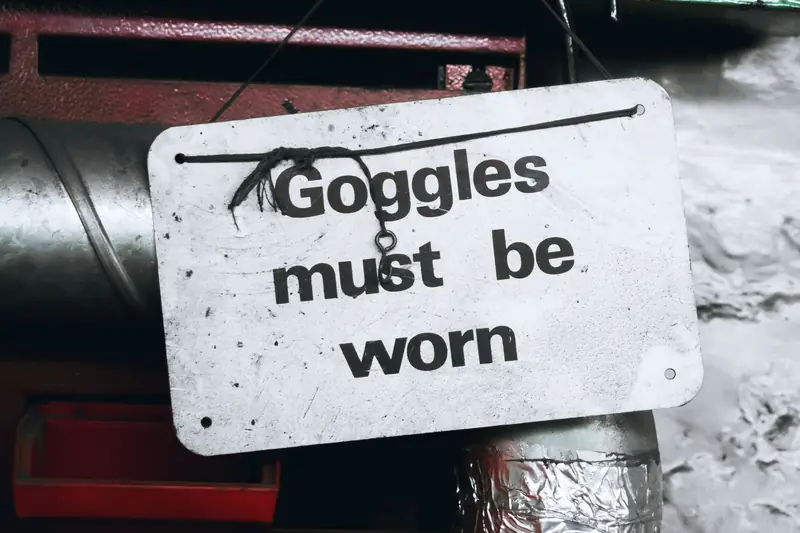
Power tools are around 85-90 dBA, so wear hearing protection, and wear eye protection too (NIOSH; OSHA 3080). NIOSH's limit is 85 dBA averaged over 8 hours, and for each 3 dBA increase the safe exposure time is halved (NIOSH).
Sawdust is a separate concern. Follow your saw's manual for dust protection, and keep the area clean with a shop vac. Our shop vac guide explains filters for fine dust. Do not blow dust off surfaces with compressed air.
Changing blades safely
Disconnect the tool before you change a blade. OSHA says to disconnect tools when not in use, before servicing or cleaning, and when changing accessories such as blades and bits. For a cordless saw, that means removing the battery; for a corded saw, unplug it (OSHA 3080).
Follow this order:
- Remove the battery or unplug the saw.
- Let the blade stop and, if it has been cutting, cool.
- Follow your manual's steps to lock the spindle and remove the blade.
- Fit the new blade facing the right way, as the manual shows.
- Tighten it, then check that the guard still closes freely.
Keep the old blade away from the work area and put the saw down with the guard closed, so nothing catches on a bare blade in a toolbox. Before the next cut, run through the same list: guard, depth, support, grip and protection. Our power tool safety basics page covers the rules that apply to every tool in your shop.
Gear that helps
-
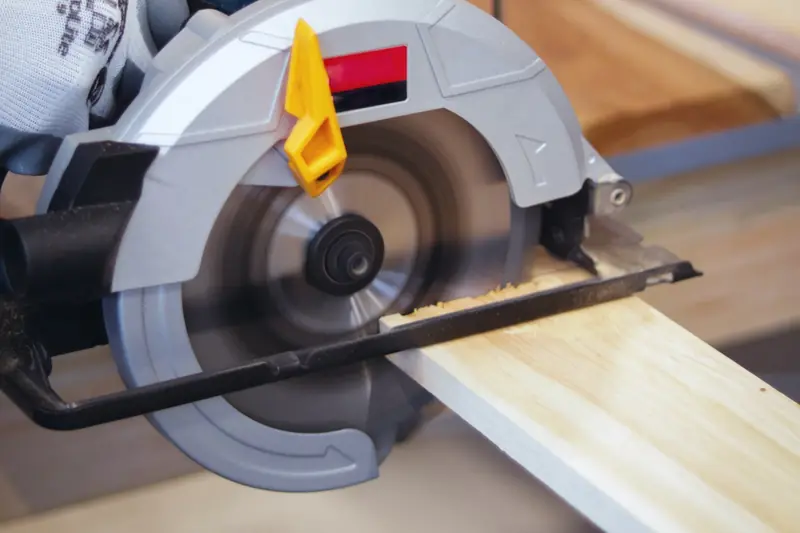
Best Cordless Circular Saws
Compare blade size, cut depth, brake and guard design before you buy a saw.
-
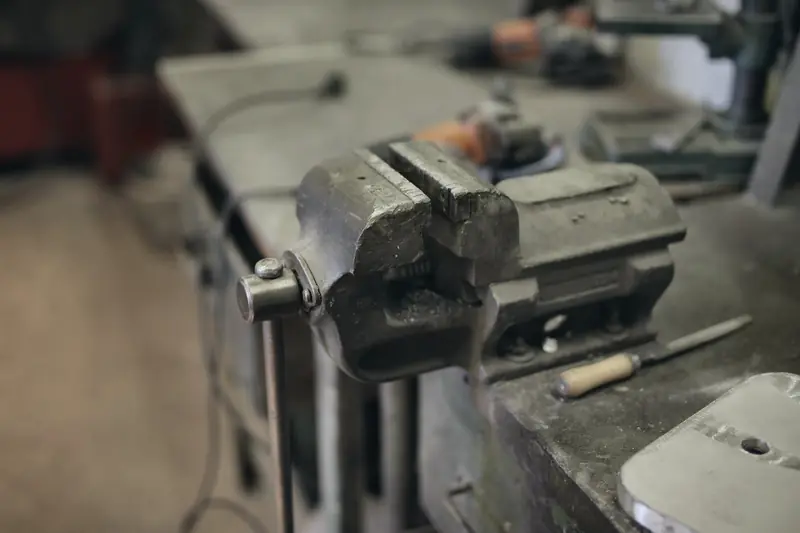
Best Workbenches for Garage and DIY
A bench or sawhorse setup with clamps keeps the work supported and both hands free.
-
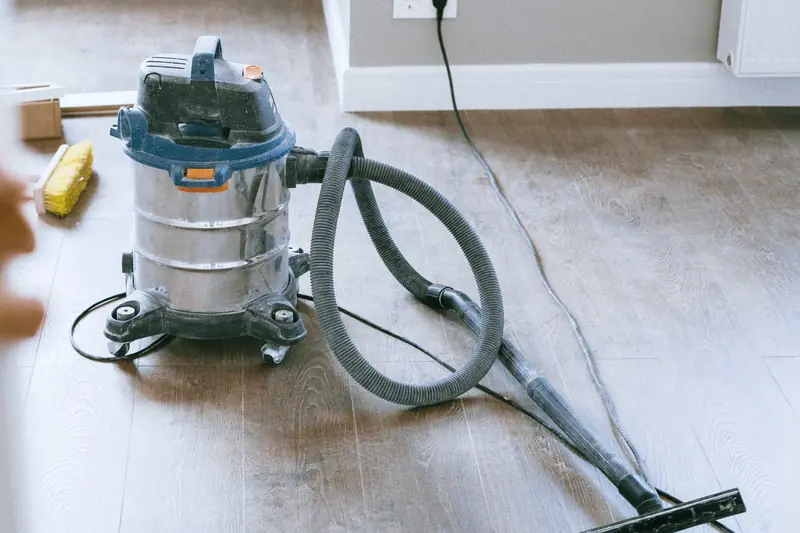
Best Shop Vacs (Wet/Dry)
A shop vac keeps the floor and the air clear of sawdust.

FAQ
What causes kickback?
Kickback happens when the blade is pinched as the cut closes and stalls, or when a twisted or misaligned blade's rear teeth dig into the top of the wood (Bosch manual).
How deep should the blade be set?
Bosch says less than a full tooth of the blade teeth should be visible below the workpiece (Bosch manual).
Related
-
Buying guide
Best Cordless Circular Saws
Blade size, cut depth, brake and weight, plus the safety checks.
-
Buying guide
Best Workbenches for Garage and DIY
Load capacity, top material, height and storage, compared.
-
-
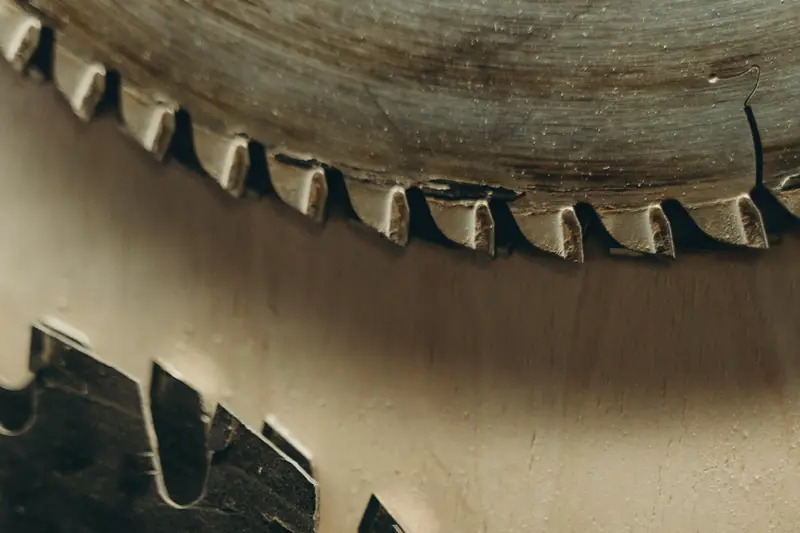
Comparison
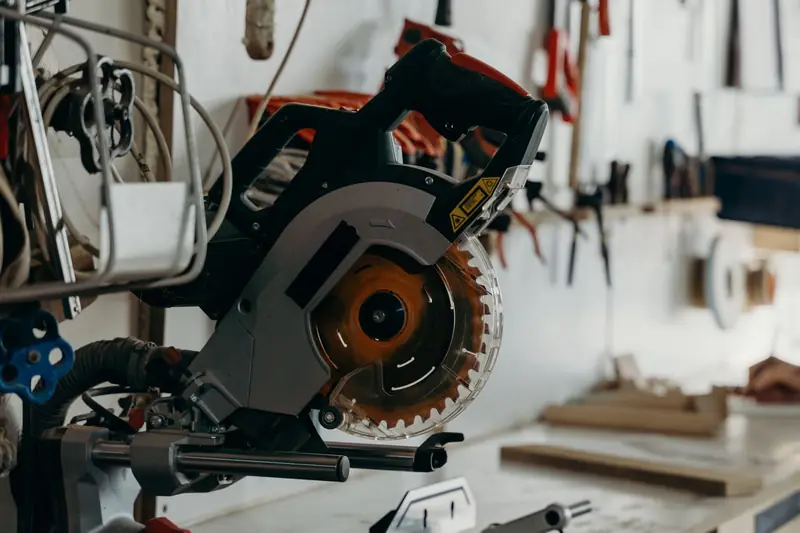
Miter Saw vs Circular Saw: Which Saw Should You Buy First?
Repeatable crosscuts and angles vs rips and sheet goods.
-
-
Buying guide
Best Miter Saws for Beginners and Home Projects
Blade size, sliding or fixed, bevel and dust port, side by side.
Get the Before-You-Cut Safety Checklist
A printable 8-point check to run before you cut, drill or charge: guards, blade depth, clamping, protection and batteries. Free, and sized for the shop wall.