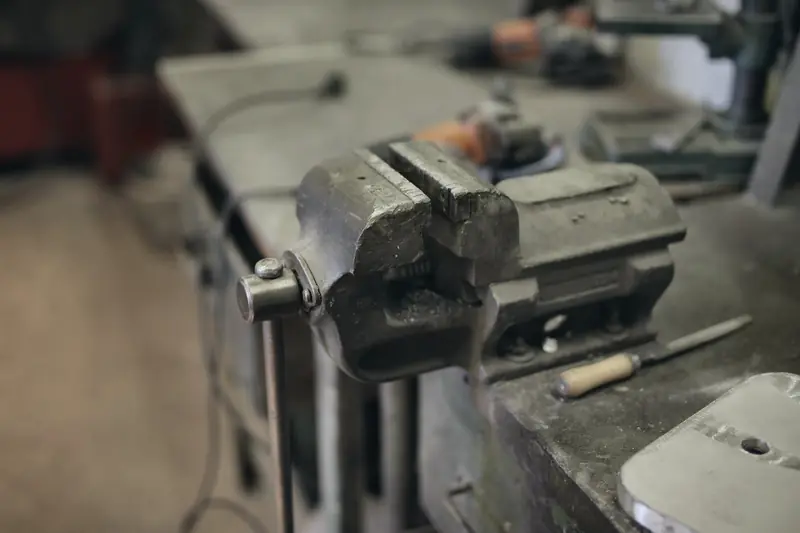
Best Workbenches for Garage and DIY
A workbench gives you a flat, sturdy place to clamp, cut, sand and assemble. It is the tool that makes every other tool safer and easier. This page is for homeowners setting up a corner of a garage or basement, with an eye on load rating, top material and how much room it takes.
Jump to section
What we look for
Load capacity
the rating is the weight the maker says the bench holds, which matters for vises and heavy tools.
Top material
the top decides how it handles hammering, glue, spills and sanding.
Height, adjustable or fixed
the right height keeps your back and shoulders comfortable.
Storage
drawers and pegboard keep tools close and the surface clear.
Footprint or folding
a bench that folds or rolls frees floor space for the car or the mower.
Assembly
assembly time and difficulty decide how soon you can start work.
How to choose the right workbench
A bench is where most tool safety rules come together: clamping, footing and a clear surface. Read power tool safety basics and our guide to using a circular saw safely before you set it up.
Load capacity
Load capacity is the maker's stated rating, so check how it is measured, since a rating on the whole top is different from a rating on one spot. Check the Load capacity column before you mount a vise or set a heavy saw on the bench. If you plan to use a large tool, add the tool's weight to the weight of what you plan to work on. If the bench will carry a vise, the load rating is the first number to check.
Top material
Solid wood tops absorb impact and can be flattened. Composite and steel tops resist moisture and stains. Check the Top material column, and think about whether you can replace the top later. Whatever material, keep sawdust and spills off the surface, and keep tools off the edge.
Height, adjustable or fixed
Comfortable height varies by person, and adjustable benches solve it. Check the Height column and whether the legs adjust. If you stand to work, a bench at a comfortable height saves your back; if you sit, you need a bench that fits a stool.
Storage
Drawers hide small parts and pegboard keeps hand tools in sight. Check the Storage column, and think about how you will organize bits, fasteners and clamps. Our home tool set guide lists the hand tools you may be storing. If you keep batteries or chargers nearby, follow the storage guidance in our battery care guide.
Footprint or folding
Folding and portable benches pack flat and suit a shared garage. Fixed benches are sturdier. Check the Work surface and Weight columns, and measure your wall and floor before you buy. Leave room to walk around the bench and to swing a saw. If you share the garage with a car, measure the space with the car parked, not just the empty wall.
Assembly
Some benches arrive nearly assembled. Others need hours and a drill. Read the listing for the number of parts and the tools needed, and follow the maker's instructions. A bench that wobbles after assembly is not safe for sawing or hammering, so check that every fastener is tight.
Tips for using your workbench
- Secure work with clamps or a vise so both hands can run the tool (OSHA 3080).
- Keep good footing and balance, and keep the floor around the bench clear (OSHA 3080).
- Plug lithium-ion chargers straight into a wall outlet, not a power strip (NY DHSES).
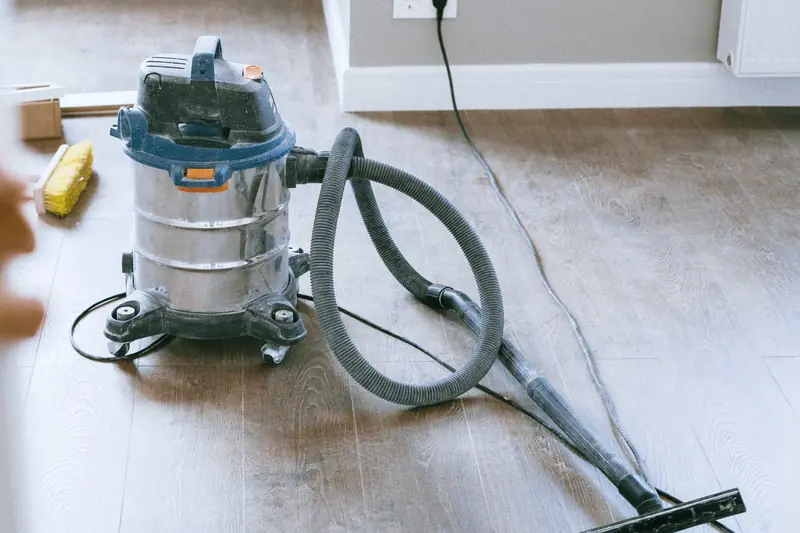
- Pair a bench with a shop vac to keep dust under control.
FAQ
Why should I clamp the work to the bench?
OSHA advises securing work with clamps or a vise so both hands are free to run the tool (OSHA 3080).
Can I charge tool batteries from a bench power strip?
NY DHSES says to plug lithium-ion chargers directly into a wall outlet and not a power strip (NY DHSES). Check whether the bench you pick includes a strip, and keep chargers off it.
What height should the bench be?
Comfortable height depends on the person. An adjustable bench solves it, and a fixed bench needs to suit you before you buy.
What does the load rating mean?
It is the maker's stated capacity, so read how it is measured. Check it before you mount a vise or set a heavy tool on the bench.
Related
-
-
Buying guide
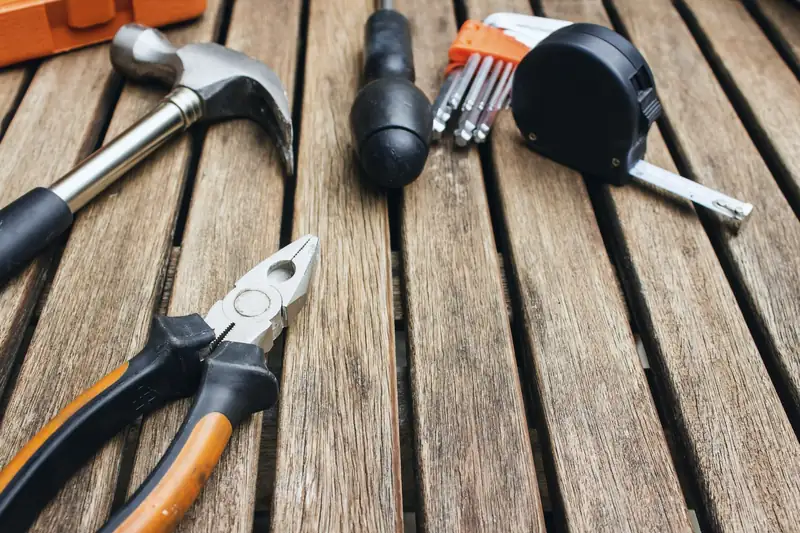
Best Tool Sets for Homeowners
Core tools, case, SAE and metric, and warranty compared, not just piece count.
-
Buying guide
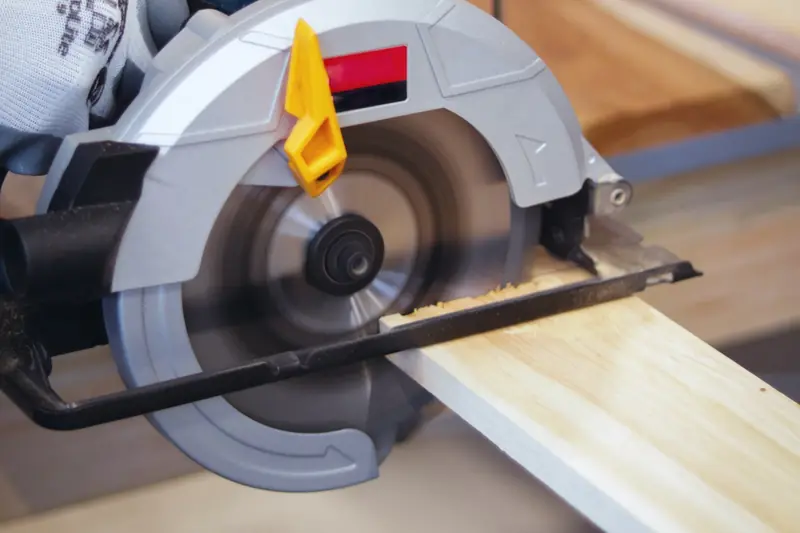
Best Cordless Circular Saws
Blade size, cut depth, brake and weight, plus the safety checks.
-
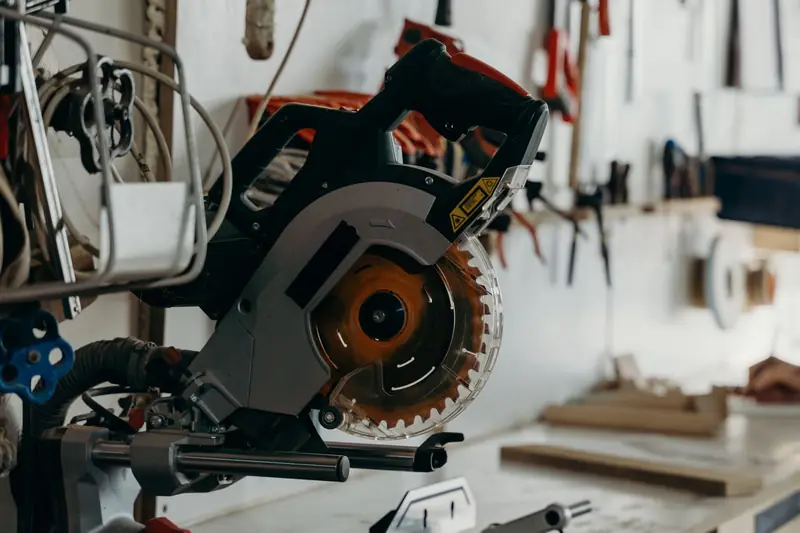
Buying guide
Best Miter Saws for Beginners and Home Projects
Blade size, sliding or fixed, bevel and dust port, side by side.
-

-
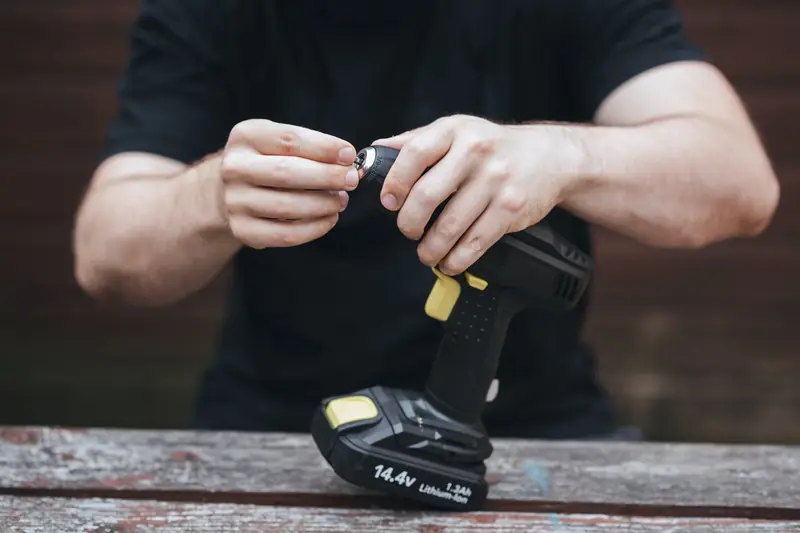
Guide
How to Charge, Store and Recycle Power Tool Batteries Safely
Charging, storage, taping terminals, recycling and damaged batteries.


Get the Before-You-Cut Safety Checklist
A printable 8-point check to run before you cut, drill or charge: guards, blade depth, clamping, protection and batteries. Free, and sized for the shop wall.