
Best Tool Sets for Homeowners
A starter tool set bundles the hand tools every home needs: a hammer, screwdrivers, pliers, a tape measure and more. The trick is to judge the set by the tools you will use, not by the piece count on the box. This page is for new homeowners, renters and anyone filling an empty toolbox.
Jump to section
What we look for
Core tools included
a set is only useful if it has the tools you reach for every week.
Steel and handle quality
materials decide how long the tools last and how they feel in your hand.
Case organization
a good case keeps every piece findable and in place.
Useful pieces vs padded piece count
bits and sockets inflate the number on the box.
SAE and metric coverage
most homes need both, and a set that has only one forces you to buy more.
Warranty
a clear warranty tells you what the maker will replace.
- Sources: manufacturer product pages, contents lists and warranty terms, plus OSHA 3080 for the hand tool safety points.
How to choose the right tool set
Hand tools get you started; a drill and a few power tools finish the job. When you are ready for the next step, see our guides to choosing a cordless drill and power tool safety basics.
Core tools included
Look for a hammer, screwdrivers, pliers, a tape measure, a level, a utility knife and a socket set. These cover most small repairs. Check the Includes hammer/level/tape column. If a set leaves out several of them, you will end up buying them separately. Add the tools you already own to the list before you compare sets, so you do not pay for duplicates.
Steel and handle quality
Read what the listing says about the steel and the handles, and look for a grip that is comfortable for you. Read the listing's materials, and keep tools in good condition, as OSHA advises (OSHA 3080).
Case organization
A molded case with a slot for each tool tells you at a glance when something is missing. Soft bags are lighter but let pieces shift. Check the Case type column, and pick the format that fits where you will store it: a closet, a car trunk or a garage shelf. If the set will live in a closet or a car trunk, the shape of the case matters as much as its contents.
Useful pieces vs padded piece count
A set with a large piece count may be mostly screwdriver bits and small sockets. Count the core tools instead of the total. The Piece count column is a rough guide, and the Includes hammer/level/tape column tells you more. Our power tool safety basics guide covers using them safely once you add power tools. Watch for sets that list bits and sockets as individual pieces, since that is how counts grow quickly.
SAE and metric coverage
SAE sizes are inch-based and metric sizes are millimeter-based. Check which size system the things you own use before you decide. Check the SAE/metric column and the socket drive sizes. A set that covers both saves a second purchase.
Warranty
Warranties on hand tools vary by maker, and some cover only the tool, not the case. Check the Warranty column and the maker's own site. Keep the receipt or order record for a claim.
Tips for using your tool set
- Keep tools in good condition, use the right tool for the job, and check each tool for damage before use (OSHA 3080).
- Add a cordless drill when your first set is in place; it completes a starter kit.
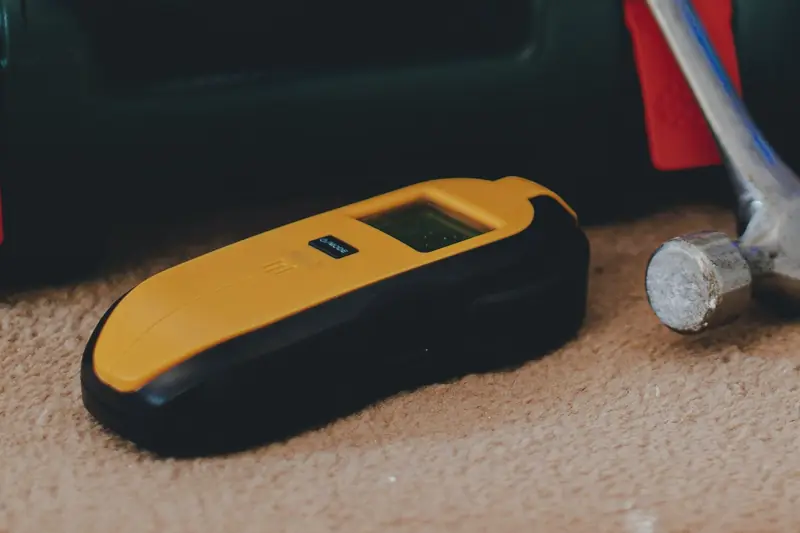
- Add a stud finder before you hang anything heavy.
- Store tools somewhere dry so steel does not rust.
- Label the case or a shelf where each tool lives, so you can see right away when something is missing.
FAQ
Does piece count matter?
Not as much as it seems. Bits and sockets inflate the number on the box, so count the core tools instead.
What belongs in a first tool kit?
A hammer, screwdrivers, pliers, a tape measure, a level, a utility knife and a socket set.
What is the basic rule for hand tool safety?
OSHA's guidance is to keep tools in good condition, use the right tool for the job and check each tool for damage before you use it (OSHA 3080).
Should I add a drill to the kit?
A drill and driver finishes a starter kit. See our cordless drill buying page for what to compare.
Related
-
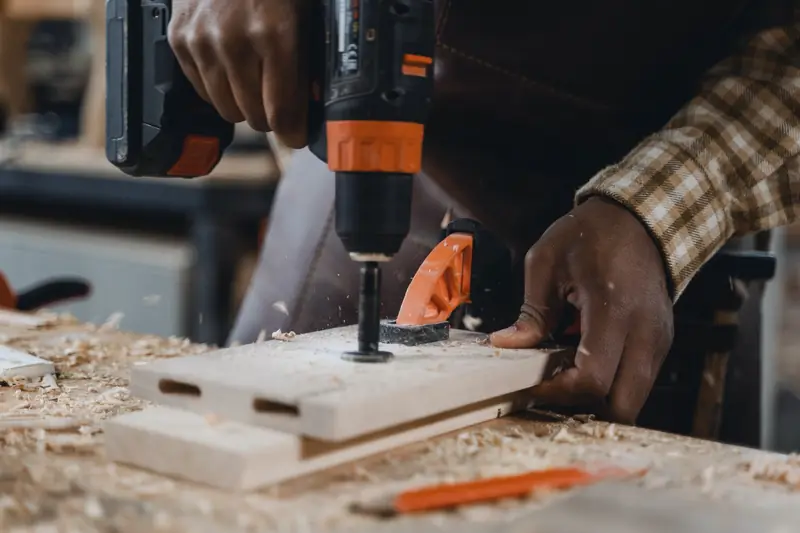
Buying guide
Best Cordless Drills for Home Use
Voltage class, chuck, motor type and battery kit, side by side.
-
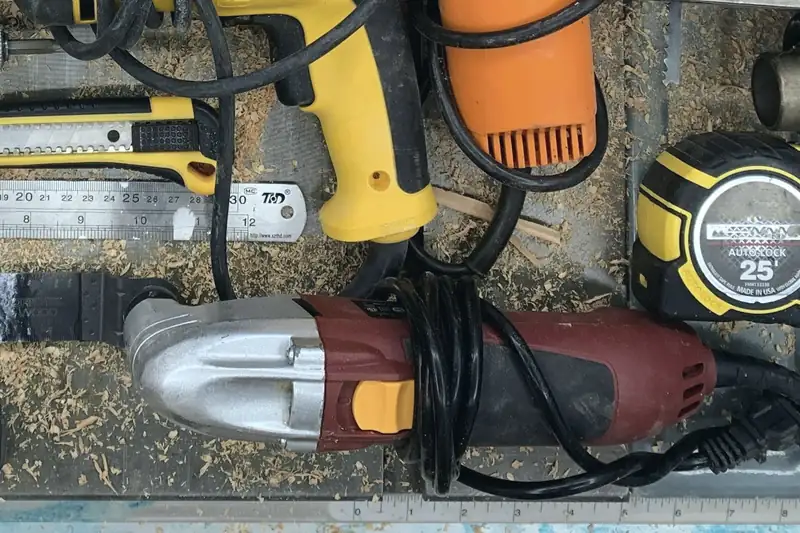
Buying guide
Best Oscillating Multi-Tools
Speed, blade interface, vibration and accessories, compared.
-
-
-

-
Guide
How to Choose a Cordless Drill: Voltage, Chuck, Motor and Battery
What the voltage, chuck, motor and battery labels mean for your jobs.

Get the Before-You-Cut Safety Checklist
A printable 8-point check to run before you cut, drill or charge: guards, blade depth, clamping, protection and batteries. Free, and sized for the shop wall.