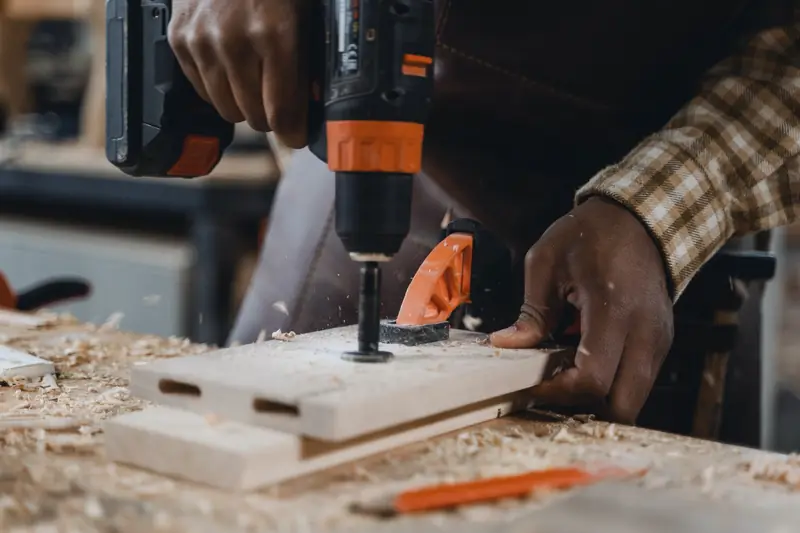
Best Cordless Drills for Home Use
A cordless drill bores holes and drives screws, and for most homeowners it is the first power tool worth owning. The decisions that matter are which battery family you buy into, how much power you need, and what comes in the box. This page is for homeowners and weekend DIYers, not trade pros.
Jump to section
What we look for
Battery platform
one battery family can power many tools, so the first purchase sets up the next ones.
Voltage class
the class sets how heavy the drill is and what it can drive.
Brushless motor
a brushless motor is the main upgrade that affects runtime and maintenance.
Chuck size
the chuck decides which bit shanks the drill can hold.
Clutch and two-speed gearbox
a clutch stops the drill from driving screws too deep, and two speeds let you match the job.
Weight and kit contents
weight decides how long you can hold the drill overhead, and the kit decides whether you can start work.
- Sources: manufacturer product pages, manuals and warranty terms, plus OSHA's hand and power tool booklet for the safety rules professionals work under.
How to choose the right cordless drill
A drill looks simple until you meet the labels. Start with our guide to choosing a cordless drill, and read drill vs impact driver if you are not sure which one you need.
Battery platform
Choose the battery family, not just the drill. Most makers sell many tools that share one battery and charger, which makes later purchases cheaper and simpler. Look at the range the maker offers for the jobs you expect: saws, a shop vac, a multi-tool. Batteries and chargers from different makers do not mix, and the maker's own charger is the only one to use (NY DHSES). Our cordless drill buying guide explains the idea in more detail.
Voltage class
Compact 12V drills are lighter and fit tight spaces. The 18V/20V MAX class is stronger and suits larger bits and long screws. The two labels are the same class: DeWalt explains that "20V MAX" is the maximum initial battery voltage, measured without a workload, and that nominal voltage is 18 (DeWalt). Check the Voltage column in the table and match it to your biggest job, not your average one.
Brushless motor
Brushless motors work without brushes to apply friction. Makita claims its brushless motors are up to 50% more efficient than a comparative model, and that an 18V battery will last almost twice as long as with a standard motor (Makita). That is a maker claim, not a measured result. Read how the two motor types differ in our brushless vs brushed comparison.
Chuck size
The chuck is the part that grips the bit. Drills commonly come with a 3/8-in or a 1/2-in chuck, and the larger one takes larger bit shanks. As an example of a spec listing, DeWalt's entry combo kit page describes its drill with a 1/2-in single-sleeve ratcheting chuck (DeWalt kit page). Check the Chuck size column against the biggest bit you expect to use.
Clutch and two-speed gearbox
The clutch is the numbered ring behind the chuck. It slips at the setting you choose so you do not strip screws or sink them too far. A two-speed gearbox lets you run low for driving and high for drilling. The same kit page lists two speed ranges for its drill (DeWalt kit page). Look at the Clutch settings and Speeds columns; more settings mean finer control.
Weight and kit contents
Weigh the drill with its battery, since you hold both. Then look at what is in the box. Bigger amp-hour packs run longer but weigh more. For scale, DeWalt's entry combo kit ships with two 1.3 Ah batteries (DeWalt kit page). Check that a charger and a bag or case are included, and read the Batteries included column. A lighter drill is easier on your arm for overhead work, while a heavier pack gives longer runtime.
Tips for using your cordless drill
- Read the manual before the first use and follow it. OSHA's basic rules for any tool include operating it according to the maker's instructions and examining it for damage before each use (OSHA 3080).
- Charge batteries with the charger that came with the tool, and store them in a cool, dry place (NY DHSES). Our battery care guide has the full routine.
- Before you drill into a wall, read our guide to finding a stud and what to shut off first.
- Pair the drill with a starter tool set so one purchase covers most small jobs.
- Wear eye protection when you drill, and follow your drill's manual for how to hold it.
FAQ
Is a 20V MAX drill stronger than an 18V one?
Often they are the same class. DeWalt explains that "20V MAX" is the maximum initial battery voltage, measured with no load, and that the nominal voltage is 18 (DeWalt).
Which chuck size should I choose?
A 1/2-in chuck holds larger bit shanks than a 3/8-in chuck. As one example, DeWalt's entry combo kit page lists a 1/2-in ratcheting chuck on its drill (DeWalt kit page). Match the chuck to the biggest bit you plan to use.
Is a brushless motor worth the extra money?
Makita says its brushless motors are up to 50% more efficient than a comparable model, and that an 18V battery lasts almost twice as long as with a standard motor (Makita). That is a maker claim, not something we measured.
How should I store the batteries?
Keep them in a cool, dry place out of direct sunlight, and do not charge them below 32°F or above 105°F (NY DHSES).
Related
-
Buying guide
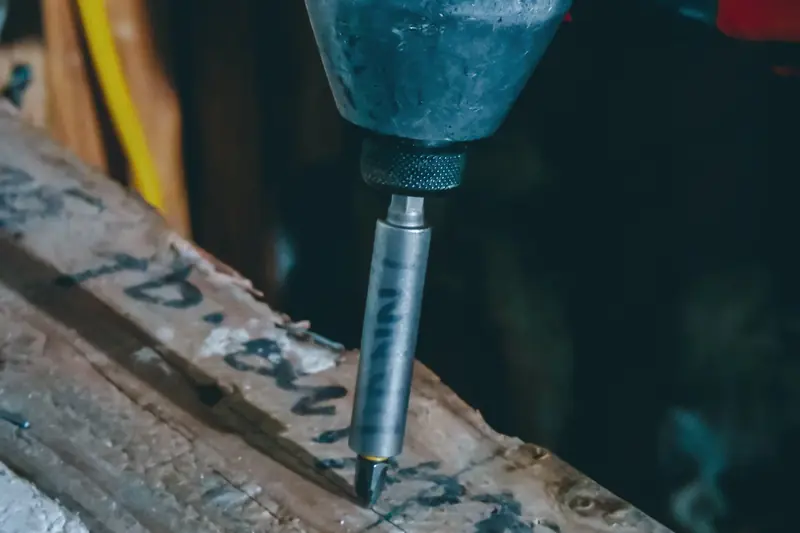
Best Impact Drivers for DIY
Torque, impact rate, speed modes and head length, side by side.
-
Buying guide
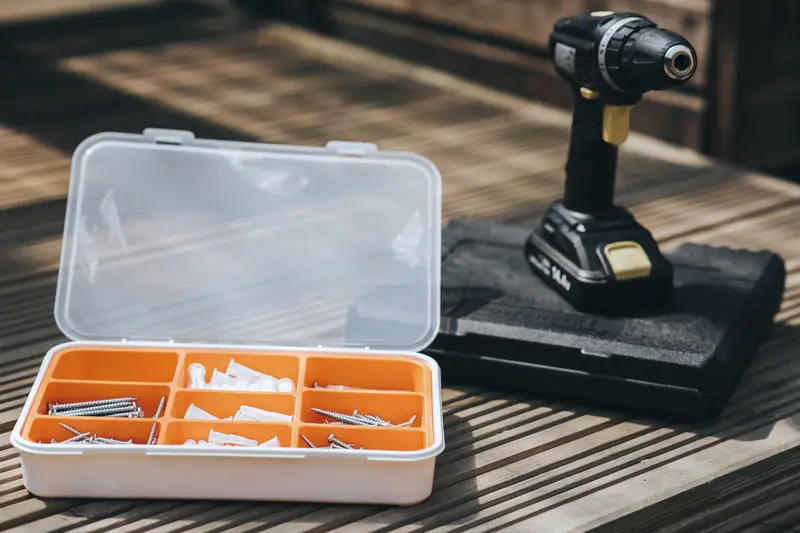
Best Drill and Impact Driver Combo Kits
Batteries, charger, motor type and case, compared kit by kit.
-
Buying guide
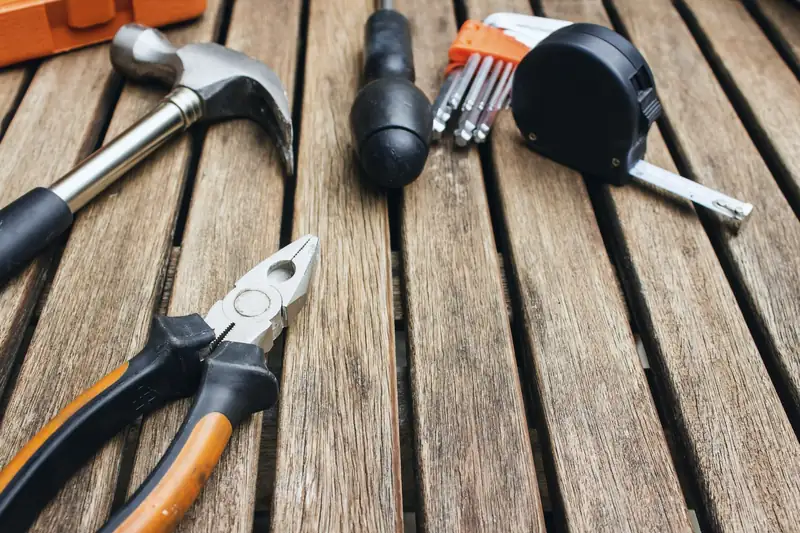
Best Tool Sets for Homeowners
Core tools, case, SAE and metric, and warranty compared, not just piece count.
-
Comparison
Drill vs Impact Driver: Which One Do You Need?
Steady turning or turning with impacts: which tasks each does best.
-
Guide
How to Choose a Cordless Drill: Voltage, Chuck, Motor and Battery
What the voltage, chuck, motor and battery labels mean for your jobs.
-
Guide
How to Charge, Store and Recycle Power Tool Batteries Safely
Charging, storage, taping terminals, recycling and damaged batteries.

Get the Before-You-Cut Safety Checklist
A printable 8-point check to run before you cut, drill or charge: guards, blade depth, clamping, protection and batteries. Free, and sized for the shop wall.